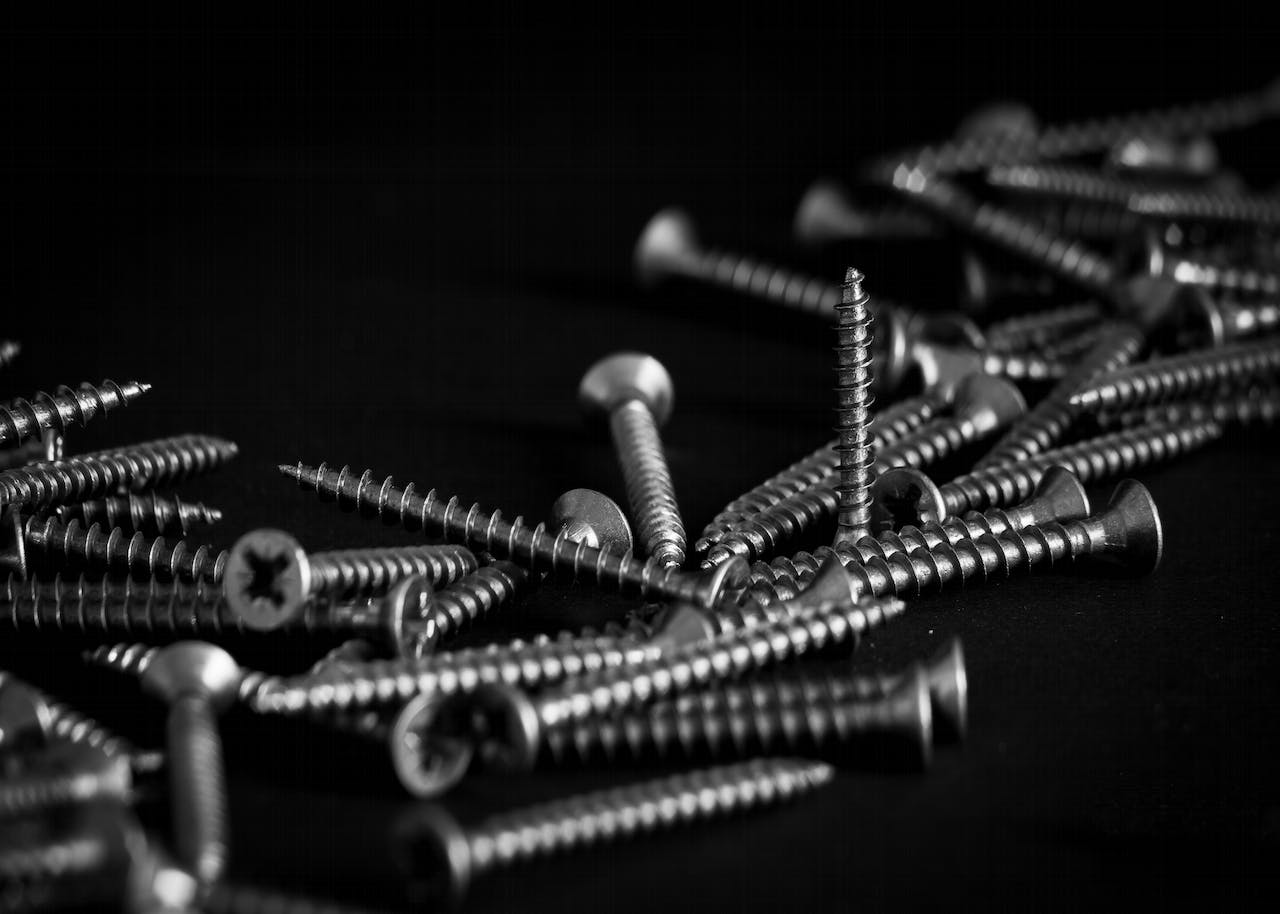


A leak around a metal roof screw usually shows up the same way. You see a stain, a drip, or damp insulation, then you get on the roof expecting to find a torn panel. Instead, the panels often look fine. The trouble is at the fastener line.
That's why metal roofing screws leaking is such a common repair problem. It feels small, but it isn't random. Most of the time, the roof is telling you the seal at the fastener has changed. The washer aged, the screw lost tension, the panel got dimpled, or the original installation never hit the right compression in the first place.
The mistake is treating every leak the same. A lot of guides jump straight to “replace the screw” or “caulk the head.” That can stop water for a while, but it won't tell you why the leak started. If you miss the failure mode, you usually end up revisiting the same roof section later.
A better approach starts with diagnosis. Check the washer. Check torque. Check the hole. Check whether the panel metal around the screw has been distorted. If you're sorting through fastener types before you repair, this overview of metal roofing screw types and materials is a useful reference point.
Table of Contents
- Introduction
- Why Your Metal Roof Screws Are Leaking
- How to Inspect and Diagnose Screw-Related Leaks
- Step-by-Step Guide to Repairing Leaking Screws
- Best Practices for Preventing Future Screw Leaks
- Frequently Asked Questions About Metal Roof Leaks
Introduction
When a metal roof leaks, owners often blame the panel or the last storm. Contractors who work on these systems regularly know the first suspects are usually much smaller. The fasteners carry the load, hold the panel pattern, and create hundreds of weather seals across the roof. When one of those seals starts failing, the leak may show up far from the actual entry point.
That's why screw leaks need a disciplined inspection process. If you only chase the drip, you can replace a few obvious screws and still leave the underlying problem untouched. A roof with scattered washer failure looks different from a roof with widespread over-tightening. A roof with enlarged holes needs a different repair than one with loose but otherwise usable fasteners.
Practical rule: Don't start with sealant. Start with evidence.
The goal is a repair that stays repaired. That means identifying whether the water got in because the washer lost compression, because the screw was installed too loose or too tight, or because the metal around the fastener has already been damaged. Once you know that, the fix becomes straightforward and a lot more permanent.
Why Your Metal Roof Screws Are Leaking
The industry has known for a long time where many metal roof leaks begin. American WeatherStar states that “roofing screws cause the majority of metal roof leaks”, and the reason usually starts at the washer, not at the threads.

The washer usually fails before the screw does
On an exposed-fastener roof, the screw head and washer assembly are the weather barrier. The panel is drilled or fastened through, and the washer has to stay compressed enough to block water without being damaged. Over time, that's where things start to break down.
The common sequence is simple. The rubber washer ages, compresses, dries, or loses its seal. Once that happens, water can work under the fastener head and into the penetration. That's why blaming the screw alone misses the underlying issue. The leak path usually starts at the sealing surface.
Wrong fastener selection can push that process forward sooner. If the screw isn't suited to the panel and substrate, you can end up with poor seating, poor compatibility, or a seal that never had much margin to begin with. If you're reviewing fastening details, this guide on when to use washers and when not to use washers helps clarify where the seal comes from.
A low-profile fastener such as #10 Logrip™ - Hi-Lo Metal to Wood screws shows what you want in this kind of assembly: T25 star drive, Hi-Lo threads, mechanical galvanizing for corrosion protection, and an EPDM rubber washer intended to form a secure seal. Those features don't eliminate leak risk by themselves, but they match the way exposed-fastener roofs are supposed to seal.
Bad torque creates its own leak path
A leaking screw is often an installation problem that took years to show itself. The roof may not have failed during the first rain. It failed after movement, weather exposure, and washer fatigue exposed the original mistake.
There are two classic torque errors:
- Over-tightening: The installer crushes the washer, distorts the panel, or both. The washer can split or extrude, and the panel can form a dish that holds water.
- Under-tightening: The washer never seats properly. It stays loose enough to move, and water works under it during wind-driven rain and thermal cycling.
- No torque control: An uncontrolled driver turns a sealing detail into a guessing game. That's one of the fastest ways to create uneven compression across the roof.
The screw doesn't have to back all the way out to leak. It only has to lose the seal.
Once you look at screw leaks this way, the repair strategy changes. You're not just swapping metal for metal. You're restoring the geometry of the seal.
How to Inspect and Diagnose Screw-Related Leaks
The fastest way to waste labor on a leak call is to inspect only the stained area inside the building. Water travels. Fastener failures also tend to repeat in patterns. The defensible approach is a roof-wide fastener audit.

Start with a fastener audit, not a guess
Statewide Roofing Specialist recommends a workflow to inspect every exposed-fastener panel row and identify spun, flattened, cracked, or missing EPDM/neoprene washers. That method matters because isolated spot-checking misses failure patterns.
Walk the roof in rows. Don't jump from one suspicious screw to another. Check the same panel positions across the run so you can see whether the issue is random, installer-related, or concentrated on weather-exposed elevations.
Use the right kit while you're doing it. A controlled driver, bit selection, hand tools for stubborn fasteners, and basic inspection gear make the difference between clean diagnosis and added damage. This list of recommended tools for metal roof installation is also useful for repair work because the same fastening rules apply.
Here's a simple field reference.
| Symptom | Likely Cause | Recommended Action |
|---|---|---|
| Washer is cracked, brittle, or missing | Aged seal | Replace the fastener and restore proper compression |
| Washer spins by hand | Under-tightened fastener | Re-seat if the hole is sound, replace if the assembly won't hold |
| Washer is crushed past normal shape | Over-tightening | Remove and replace, then drive with controlled torque |
| Panel is dimpled around the screw | Excess drive pressure or repeat fastening | Inspect hole condition and replace carefully |
| Rust or debris around screw head | Moisture entry or swarf left in place | Clean the area and evaluate whether corrosion has enlarged the hole |
Use field checks that tell you what actually failed
The spin test is one of the most useful checks on an exposed-fastener roof. If the washer can spin, it usually wasn't tightened enough to maintain a proper seal. That's a diagnosis, not just an observation.
Over-tightening leaves different evidence. You'll see washer material flattened hard against the panel, pushed out awkwardly, or paired with visible metal distortion. In that situation, tightening harder won't help. The original seal geometry is already wrong.
On the roof: Read the washer first, then read the panel around it.
Look for dirt rings or dark staining around the head. Contractors often call these “black eyes.” They don't prove the exact leak path by themselves, but they're a strong clue that the washer has degraded and is holding moisture and debris.
A short visual walkthrough can help you calibrate what you're seeing in the field:
Check the hole only after you pull the suspect fastener. If the substrate still has bite and the opening is sound, you may only be dealing with a failed washer or bad torque. If the hole is wallowed out or rusted, that's a different repair category. At that point the fastener size, thread engagement, and panel condition all matter.
Step-by-Step Guide to Repairing Leaking Screws
Once you've identified the failed fasteners, the repair itself should be controlled and boring. That's the goal. Leaking screw repairs go bad when crews rush, overuse sealant, or drive replacement screws like they're framing lumber.

Remove the failed fastener and read the hole
Back the old screw out cleanly. If the head is stripped, use locking pliers and take your time. A rushed extraction can enlarge the opening and turn a simple replacement into a substrate problem.
After removal, clean the area. Get rid of dirt, old patch material, rust flakes, and metal shavings. Rusting swarf around a fastener can keep the area wet and make a small leak return.
Then inspect three things:
-
The old washer
If it's cracked, flattened, or missing pieces, you've confirmed a sealing failure. -
The panel surface
If the metal is heavily dimpled, don't ignore it. The replacement screw has to seat against that shape. -
The hole condition
If the hole is still sound, replace with the correct fastener and proper drive control. If the hole has degraded, use a larger replacement screw only because the opening requires it, not as a default habit.
If you use sealant in the repair, use it to support the assembly, not to hide a bad fastening job. This primer on metal roofing sealant basics is a good reminder of where sealant helps and where it becomes a crutch.
Drive the replacement to seal, not to overpower
Western States Metal Roofing notes that installers should compress the washer to the edge of the metal cap without going past it. That's the target. If the washer can still spin after driving, the fastener is too loose.
That geometry matters more than brute force. The goal is even compression that forms a sealing ring. Too loose and water gets under the washer. Too tight and you destroy the washer or deform the panel.
A practical replacement sequence looks like this:
- Use a variable-speed screw gun with clutch control: This gives you repeatable compression. An uncontrolled driver makes every screw a judgment call.
- Match the replacement to the substrate: For wood purlins or decking, thread pattern and point style affect how the screw seats and how much bite you keep.
- Stop when the washer is seated correctly: Don't bury the cap and don't leave the washer proud.
- Check your work by feel and sight: The washer should be snug, centered, and not extruded.
For metal-to-wood applications, #10 Fastgrip™ - Hi-Lo Metal to Wood screws are one example of the kind of replacement fastener contractors use in this repair category. The catalog details include Hi-Lo threads, a type 17 point, mechanical galvanizing, and a 1/2" washer. Those are factual features that matter when you need the screw to drive cleanly and reseat the panel without improvising.
Replace failed fasteners selectively. Don't smear caulk across a field of screws and call it maintenance.
If the roof has widespread panel distortion, repeat leaks in the same runs, or too many enlarged holes, stop treating it like a simple service call. At that point you may be looking at a broader refastening or retrofit decision.
Best Practices for Preventing Future Screw Leaks
A good repair handles the leak in front of you. A good maintenance plan keeps the next call from happening in the same way. Exposed-fastener roofs reward crews who treat fasteners as service items instead of permanent hardware.

Build the system around controlled fastening
Most future screw leaks start long before the first drip. They begin with the wrong fastener, the wrong tool, or inconsistent drive pressure.
Good prevention usually comes down to a few habits:
- Choose compatible fasteners: Match the screw to the panel type and substrate. Don't substitute based only on what's on the truck.
- Use clutch control: Consistency matters more than speed when you're setting hundreds of exposed seals.
- Watch washer shape during install: The roof tells you immediately when you're driving too hard or too soft.
- Follow the panel pattern: Fastener placement and spacing should match the manufacturer's requirements, not installer preference.
Contractors who want a quick refresher on exposed-fastener layout can use these through-fastened panel installation tips as a field check before the job starts.
Treat fasteners as maintenance items
One of the most useful maintenance markers in the trade is that metal roof screws may need re-torquing after roughly 10 years of service, based on installer guidance discussed in this repair walkthrough on YouTube. That doesn't mean every roof gets the same treatment on the same day. It means fastener tension and washer condition should be expected inspection items as the roof ages.
The better mindset is lifecycle maintenance:
- Inspect aging exposed-fastener roofs periodically
- Re-torque where the fastener is loose but still serviceable
- Replace only the failed assemblies
- Clean away rusting debris before it creates a recurring problem
Don't wait for interior damage to tell you the fasteners need attention. By the time occupants see a stain, the roof has usually been signaling the problem for a while.
Frequently Asked Questions About Metal Roof Leaks
Can I just caulk over a leaking screw
You can, but it's usually a temporary patch. Caulk over the head doesn't correct a bad washer, a loose fastener, or a damaged hole. It can also hide the actual condition of the screw the next time someone inspects the roof.
Are hidden fastener roofs different
Yes, but only in where you look first. Hidden fastener systems don't expose the same field screws to weather, so leak diagnosis shifts toward seams, clips, penetrations, and flashing details. The same principle still applies. Find the failed detail before choosing the repair.
When should I stop repairing individual screws
Stop treating it as isolated screw failure when you find widespread washer breakdown, repeated issues in multiple roof runs, major panel distortion, or corrosion that has compromised holding power across a larger area. That's when a contractor needs to evaluate whether selective repair still makes sense.
When should I call a professional
Call a professional if the roof is steep, wet, high, structurally questionable, or showing broad fastener and panel failure. Also call if you can't inspect safely or can't control torque accurately. Screw leaks are common, but working at height and repairing weatherproofing details still requires discipline.
If you need replacement fasteners, washers, sealants, or other metal roofing accessories, Contractor's Den carries product options for contractors, builders, and informed DIYers, along with a Learning Center that helps you match parts and installation practices to the repair you're making.