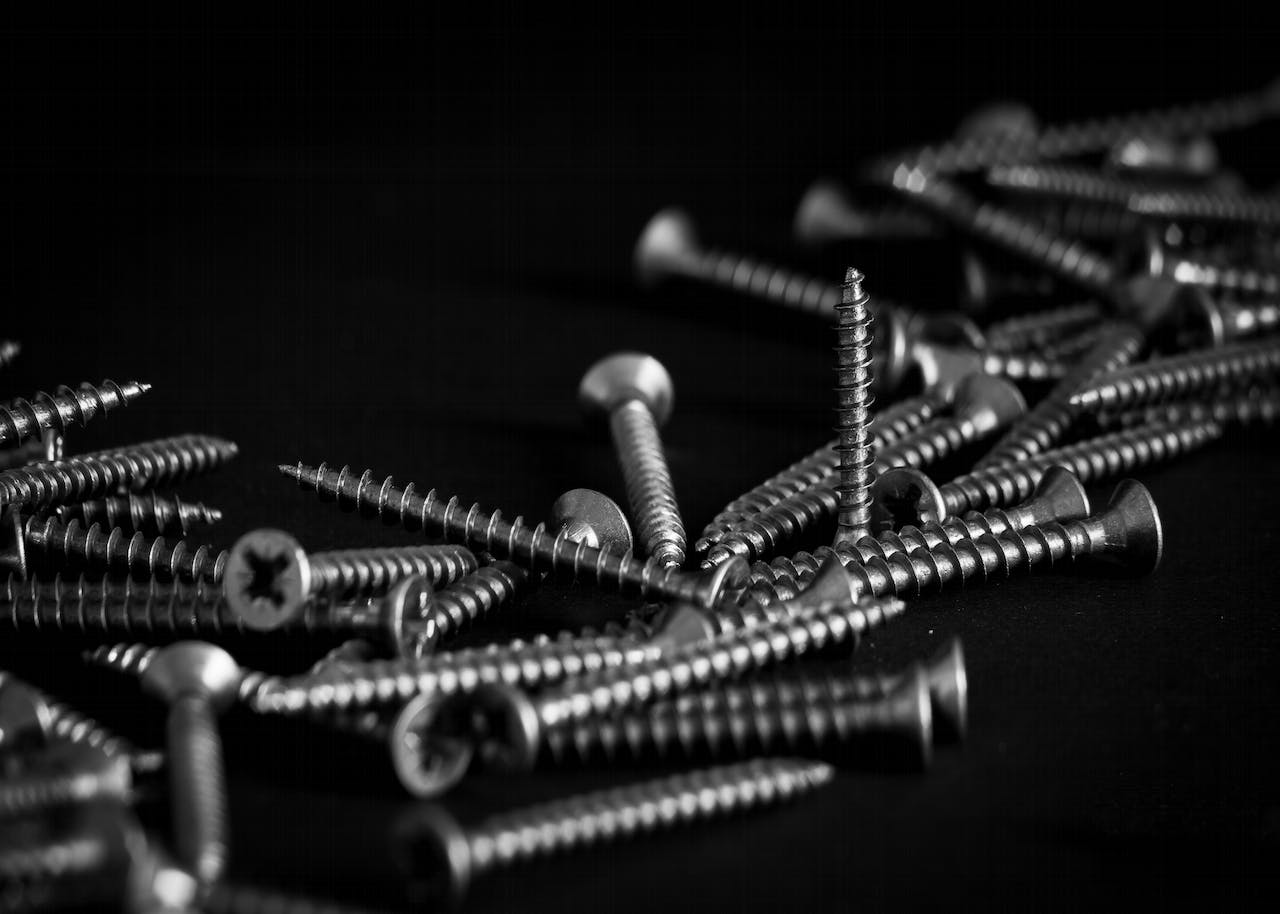


You're likely staring at a set of plans, a roof assembly, and a delivery schedule that doesn't leave much room for a wrong call. Panels, insulation, and trim get most of the attention. The fastener often gets decided late, swapped casually, or treated like a line item that can be “close enough.”
That's where expensive mistakes start.
With TRUFAST purlin fasteners, the difference between a smooth install and a callback usually comes down to whether the screw matches the actual assembly in front of you. Data sheets tell you what the product is. They usually don't tell you what goes wrong on a roof when the crew uses the wrong point, guesses on length, or drives into steel that's heavier than expected. Contractors need both sides of the picture. The spec side and the field side.
Table of Contents
- Why Purlin Fasteners Are a Critical Job Site Decision
- Understanding the Role of a TRUFAST Purlin Fastener
- Exploring Fastener Types and Protective Coatings
- How to Select the Right Fastener for Your Project
- Installation Best Practices for a Leak-Proof Finish
- Troubleshooting Common Purlin Fastener Issues
- A Contractor's Guide to Smart Fastener Procurement
Why Purlin Fasteners Are a Critical Job Site Decision
On a metal roof recover or low-slope attachment job, the purlin fastener isn't a minor accessory. It's the connection between the roof assembly and the steel structure carrying the load. If that connection is wrong, nothing above it gets a chance to perform the way the drawings intended.

Contractors usually feel the consequences fast. The wrong fastener slows production, burns out points, strips out in steel, or fails to seat consistently through a recover stack. The bigger problem comes later. Loose attachment, damaged sealing surfaces, and corrosion exposure don't stay small for long.
Small component, major consequence
Think about where risk concentrates on a roofing job:
- At the connection point: Panels and membranes can only hold as well as the fastener holds.
- At the penetrations: A poor seat invites moisture problems.
- At the schedule level: If the crew stops to sort out drilling issues, the roof doesn't care why the delay happened.
Practical rule: If the fastener decision gets pushed to the end of submittals, the field usually pays for it.
TRUFAST purlin fasteners come up often because these jobs need a screw designed for steel purlin attachment, not a generic substitute. That matters most in recover work, where the screw has to pass through existing material layers and still perform in the structural member below.
What a good decision looks like
A solid purlin fastener decision usually comes from three habits:
- Verify the substrate first. Don't assume the steel thickness matches the plan set everywhere.
- Measure the actual stack-up. Built conditions beat nominal dimensions.
- Install with control. Even the right screw can be ruined by angle, speed, or overdrive.
That's the difference between buying a box of screws and specifying a fastening connection that keeps the roof together.
Understanding the Role of a TRUFAST Purlin Fastener
A recover crew is on the roof, the layout is right, and the sheets are ready. Then the screw choice turns into the bottleneck. The point burns up on heavier steel, the head does not seat the same way from line to line, and the connection you thought was structural starts acting like a sheet-to-sheet fastener. That is the kind of mistake a purlin fastener is meant to prevent.

A TRUFAST purlin fastener is built for attachment into steel purlins in assemblies where the load has to transfer to structure. That distinction matters on standing-seam recover work. The screw still has to get through the roof build-up above, but its job is not finished until it forms a dependable connection in the purlin below.
Where purlin fasteners fit
The TRUFAST #12 Purlin Fastener is used for steel-purlin attachment in recover applications where a standard sheet metal screw is the wrong tool. Contractors run into this most often on standing-seam retrofits, where the fastener has to pass through existing material and engage structural steel cleanly enough to keep the attachment pattern consistent across the roof.
That is a different requirement from sidelap fastening, trim attachment, or wood blocking. Those connections may look similar from ten feet away. They do not behave the same once the drill point meets heavier steel or the assembly thickness starts varying across the field.
For crews sorting through application-specific options, this TRUFAST fasteners guide for roofing applications is useful because it separates product families by what they are meant to attach, not by head style alone.
Why standard screws fall short
Substitution usually starts with appearance. A screw in the bucket looks close enough, the head seems familiar, and the length appears workable. On the roof, that shortcut shows up fast. The wrong fastener may hesitate at the steel, fail to cut a clean path, or grab shallow enough that the crew keeps driving to compensate. That is how stripped steel, spun-out holes, and inconsistent seating start.
Here is the practical difference:
| Fastener use | What it's asked to do | Common failure if misapplied |
|---|---|---|
| Purlin fastener | Drill through the assembly and anchor into structural steel purlins | Refusal, spin-out, poor engagement |
| Lap screw | Clamp sheet-to-sheet connections | Structural attachment failure |
| Wood screw | Bite into wood substrate | No reliable hold in steel |
| Truss head low-slope screw | Secure low-slope components based on assembly needs | Wrong head or application fit |
A low-slope screw also belongs in its own category. Low Slope - 316 Stainless - #14 TRUFAST - Truss Head roofing Screw is built for a different assembly and approval path. Good product. Different purpose.
Contractors get into trouble when they treat fastener selection as a catalog exercise instead of a system decision. The data sheet tells you what the screw is designed to do. The field decides whether that design matches the roof in front of you.
Exploring Fastener Types and Protective Coatings
A crew can lose half a morning on the wrong purlin fastener and still not spot the bigger problem until months later. The point may fight the steel, the head may not seat cleanly, and the coating may start giving up once the roof sees moisture. That is why experienced contractors compare more than diameter and length.
The details that matter in the field are the ones that affect install speed on day one and attachment durability after turnover.
What contractors compare in real use
A purlin fastener has to cut, clamp, and hold in a specific roof assembly. On paper, several screws can look close. On the roof, the differences show up fast.
- Drill point design: Point geometry affects start-up, penetration through steel, and whether the screw walks, stalls, or burns up under pressure.
- Head style: Head design affects bearing surface, washer fit, and how consistently the fastener seats without overdriving the panel or accessory.
- Length: Length has to account for the full installed stack, including compressed insulation, shims, recover conditions, and irregular surfaces.
- Material and finish: Base material and coating determine how well the fastener holds up when the assembly sees condensate, weather exposure, or contact with dissimilar metals.
For crews that want a broader refresher on screw categories, this guide to metal roofing screw types and materials helps separate panel screws, structural screws, and specialty fasteners by job function.
Protective coatings are part of system performance
Coating gets treated like a secondary spec until corrosion shows up around the attachment line. By then, the roof is already telling you the fastener was mismatched to the environment.
TRU-Kote is referenced in TRUFAST literature as part of the fastener's corrosion-resistance package, and that matters most in assemblies exposed to persistent moisture, condensation, or aggressive service conditions. For a contractor, the practical question is simple. Will this finish hold up in the roof system you are building, with the panel, washer, substrate, and exposure conditions on that job?
That is the gap between a data sheet and a field decision. A coating spec is not just a lab note. It affects replacement risk, callback exposure, and whether the connection still performs after years of wet-dry cycling.
A practical comparison looks like this:
| Feature | What it means on the roof |
|---|---|
| Drill point matched to steel | Faster penetration and fewer damaged holes |
| Head design matched to the assembly | More consistent seating and clamping |
| Corrosion-resistant finish | Better durability in moisture-prone conditions |
| Compatibility with adjacent components | Lower risk of premature rusting or system-related failure |
Crews sometimes judge a fastener by how quickly it drills on a clean test piece. That misses the full picture. A purlin fastener also has to work with the rest of the roof system and keep doing its job after the installation crew is gone.
A fastener that installs fast but corrodes early creates expensive problems long after closeout.
How to Select the Right Fastener for Your Project
A fastener decision usually gets tested after the panels are on, when a crew finds stripped holes, short engagement, or attachment patterns that do not match the engineer's intent. By that stage, changing screws is expensive. Selection needs to happen from the assembly backward, not from whatever bucket is easiest to order.

Start with the substrate, not the bucket label
The first question is simple. What steel is the screw going into?
As noted earlier, the #12 purlin fastener is intended for a defined steel range. That matters because drill performance, thread engagement, and holding reliability all change once field conditions drift outside the listed substrate thickness. If the project includes mixed framing, retrofit conditions, or unknown existing steel, verify that before material is released to the crew.
Recover work is where mistakes show up fast. One roof area may hit the expected purlin, while another catches added plates, nested members, or material thicker than the submittal suggested. A contractor who checks only one test area can end up ordering the right screw for the wrong roof.
Measure the built assembly, not the paper assembly
Length errors are common because nominal layer thickness rarely matches what the crew sees in the field. Existing roofs are uneven. Insulation compresses. Standoffs and panel geometry change the actual travel to steel.
Measure a real section. Then choose length.
That field check should account for every layer the fastener crosses, plus enough engagement into the receiving member to meet the job requirement. If the screw only works on paper, it does not work.
A practical review usually includes:
- Open a representative area. Confirm the roof build-up instead of relying on legacy drawings.
- Measure total installed thickness. Include old roofing, insulation, cover board, clips, and panel profile as applicable.
- Confirm the target member. Make sure the attachment lands in the intended purlin or structural support.
- Match the fastener to the task. Structural attachment, panel-to-support fastening, and sidelap fastening are different decisions.
For crews installing exposed fastener systems, these through-fastened panel installation tips line up with the same field-check discipline that prevents wrong-length orders.
The video below shows part of the practical mindset contractors use when evaluating fastening choices and field handling.
Match published capacity to the engineered requirement
After substrate and length are confirmed, compare the fastener's published performance to the project demand. Do not stop at the fact that a screw will drill and seat. A purlin fastener is part of a tested attachment concept, and it needs to fit the specified wind load, pullout requirement, and support condition.
As noted earlier, TRUFAST publishes tensile and shear values for this fastener. Use those published numbers as a screening step, then confirm they align with the engineer's attachment schedule and the actual member being fastened. Capacity listed on a sheet is only useful when the field condition matches the basis of that rating.
That is the part many surface-level guides skip. Fastener selection is not only about picking a diameter or coating. It is about making sure the screw, panel, support, and attachment pattern work as one system.
A solid selection review checks four things:
| Selection check | What you're verifying |
|---|---|
| Substrate condition | The screw is suitable for the steel thickness and jobsite condition you actually have |
| Installed thickness | The selected length still works after field measurement and compression |
| Design demand | Published fastener performance fits the specified attachment requirement |
| System compatibility | The screw works with the panel, support, and overall roof assembly |
If the assembly is unusual, slow the order down and verify the connection details. That extra call before purchase is cheaper than replacing hundreds of mismatched fasteners after production starts.
Installation Best Practices for a Leak-Proof Finish
A premium fastener still leaks if it's driven badly. Most callbacks tied to purlin screws come from installation discipline, not from the label on the box.

Set up the tool before the first screw
Crews save themselves trouble by taking a few minutes to set the gun correctly before production starts. A clutch-equipped screw gun gives better control than brute-force driving, especially when the assembly includes a sealing interface that can be crushed or under-compressed.
The core habits are simple:
- Drive perpendicular to the surface: An angled screw weakens the connection and can compromise the seal.
- Control torque: Too much torque strips threads or distorts the panel. Too little leaves movement in the connection.
- Watch the first runs closely: Early test drives tell you whether the point, gun speed, and seat are working together.
For crews working through exposed fastener panel details, these through-fastened panel installation tips line up well with the same discipline required on purlin attachment.
Watch the seal as closely as the bite
Installers often focus on whether the screw grabbed steel. That matters, but so does the finished seat. The sealing element needs to compress enough to do its job without being crushed.
The best way to teach this is the “not too tight, not too loose” rule:
| Installation result | What it looks like | What it causes |
|---|---|---|
| Overtightened | Washer crushed, panel dimpled, seal distorted | Leaks, damaged materials, reduced service life |
| Undertightened | Washer not fully seated, visible gap or movement | Water entry, vibration, loose connection |
| Correctly seated | Even compression and straight alignment | Better seal and cleaner load transfer |
“Fast and straight beats fast and hard.”
A clean install has a consistent visual pattern. Heads sit square. The seal is compressed evenly. The panel isn't distorted around the fastener. If one installer's line looks different from the rest of the crew's, stop there and fix the setup before the inconsistency spreads across the roof.
Troubleshooting Common Purlin Fastener Issues
Most purlin fastener problems announce themselves early. The key is diagnosing the underlying cause instead of forcing the same screw harder and hoping it starts working.
When the fastener won't start or won't hold
Symptom: The screw walks across the steel before it bites.
Likely cause: The driver isn't square to the surface, the crew started too aggressively, or the point isn't matching the condition below.
Solution: Slow the start, square the tool, and confirm the substrate instead of chasing the screw across the panel.
Symptom: The drill point burns out or takes too long to penetrate. Likely cause: Excessive speed, too much pressure without proper cutting, or heavier steel than expected. Solution: Check gun setup and verify what steel you're hitting. If the roof package was specified off assumptions, the mistake becomes apparent.
Symptom: The fastener spins and never tightens.
Likely cause: Threads stripped, engagement lost, or the hole got wallowed out during install.
Solution: Stop immediately. Don't keep driving. Inspect the receiving material and determine whether the connection point needs a corrected fastener location or a different repair approach.
A separate but related issue shows up after the install, especially on exposed assemblies. If you're chasing water entry around screws, this guide on leaking metal roofing screws is worth reviewing because many leak symptoms trace back to the same seating and sealing errors.
When leaks show up around the head
Use a simple field check:
- Look at alignment first: Crooked fasteners often leak even when they feel tight.
- Inspect the sealing surface: A damaged washer or distorted panel won't seal correctly.
- Check for overdrive: Tight doesn't always mean watertight.
- Look for pattern problems: One leak is a local issue. Repeated leaks usually point to a crew method issue.
Repeated fastener problems are rarely random. They usually mean the crew, tool setup, or fastener selection needs correction.
The fastest troubleshooting crews don't just replace screws. They identify why the first installation failed.
A Contractor's Guide to Smart Fastener Procurement
Procurement affects the job long before the crew climbs the ladder. If the order is vague, the field pays for it with delays, substitutions, and wasted labor.
Good buyers send more than a part name. They send the substrate type, the full assembly stack, and the attachment purpose. That gives the supplier a real shot at matching the fastener to the roof instead of repeating whatever was used on the last project.
A few habits make procurement cleaner:
- Order from the assembly backward: Start with the structural substrate and work up through the stack.
- Carry a job buffer: Roofing crews need extra material for field waste, damaged pieces, and corrections. The right buffer is a planning decision, not a panic order.
- Keep one approved fastener spec on the job: Mixed buckets and half-confirmed substitutions create confusion fast.
- Use a supplier that can verify application fit: Catalog access matters, but technical clarity matters more.
If you're sourcing across multiple roof types, the metal roofing fasteners collection at Contractor's Den is one example of a catalog organized by roofing application, which makes it easier to compare fastening options without sorting through unrelated hardware.
The contractors who stay on schedule usually buy fasteners the same way they buy panels and insulation. As specified system components, not as generic consumables.
If you need help sorting through TRUFAST purlin fasteners, related roofing screws, or other metal roofing attachment hardware, Contractor's Den is a practical place to compare products, request a quote, and match fastener options to the assembly you're installing.